 (847) 392-2141
 121 S. Wilke Rd, Ste 120 Arlington Heights, IL 60005-1510
 Payment Portal
Dental Implants Arlington Heights
Investing in Your Smile’s Future

At Arlington Smiles Dental Studio, patients who come to us needing help with their incomplete smile can prepare for a personalized experience that focuses on what they need to enjoy life with a full set of teeth. Although Dr. Seredynski does not place dental implants in-house, he works closely with local experts who are skilled in positioning these prosthetics so that superior support, longevity, and stability are the results. By investing in the future of your smile, you can look forward to what lies ahead, so don’t wait any longer. Call our Arlington Heights office to schedule a consultation.
Why Choose Arlington Smiles Dental Studio for Dental Implants?
- We Work with Local Dental Implant Specialists for Surgical Placement
- Dentist Provides Open Communication with Patients at Every Step
- Family Owned & Operated Dental Practice
What are Dental Implants?
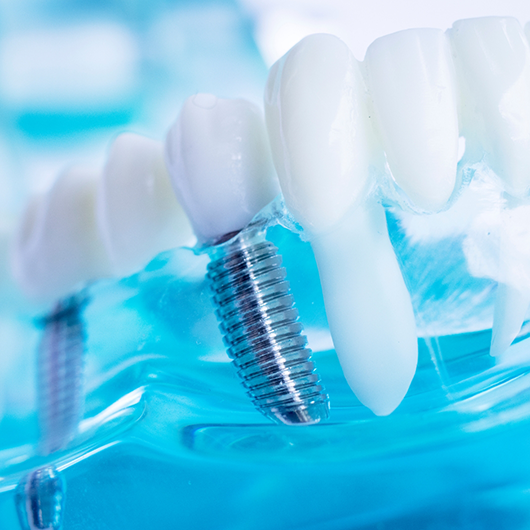
Dental implants are titanium, screw-like posts that act like natural tooth roots by fusing with and delivering stimulation to the jawbone. They are topped with a custom restoration, making it possible to replace both the roots and crowns of teeth. Unlike dentures and dental bridges, these prosthetics are considered permanent replacements and can potentially last a lifetime.
The 4-Step Dental Implant Process

The typical dental implant process follows the same four steps: initial consultation, dental implant surgery, osseointegration and abutment placement, and receiving the final restoration.
- Initial Dental Implant Consultation – Dr. Seredynski will meet with you during a scheduled consultation to discuss aspects of your oral and overall health. He will examine your jawbone to determine if it’s dense enough to support these titanium posts. If existing gum disease, tooth decay, or bone resorption are evident, additional treatment will be required before undergoing dental implant surgery.
- Dental Implant Surgery – Once you are ready for the next phase of treatment, Dr. Seredynski will refer you to a local specialist who will carefully place and position each implant along your jawbone. The procedure will include local anesthesia as well as opening your gums to insert the titanium posts. When finished, they will close your gum tissues and place protective healing caps over the surgical areas.
- Dental Implant Osseointegration/Abutment – Recovery is a vital part of treatment, especially since your implants will need time to fuse with the jawbone. This process, known as osseointegration, can take 4-6 months to complete. Once Dr. Seredynski believes your implants are ready, you will receive the metal abutments that must be attached to your posts to ensure the restoration remains firmly in place.
- Delivery of Dental Implant Restoration(s) – During an earlier stage of treatment, Dr. Seredynski will take an impression of your teeth and have lab technicians build a new crown, bridge, or denture. Once it is ready and returned to our dental office, we will secure it in place on top of your implants, creating a complete smile from root to crown.
Benefits of Dental Implants

Whether you are sure you want to move forward with dental implants or you are still weighing your options, it is impossible to dismiss the many benefits you can expect to receive with these prosthetics, including:
- Greater jawbone stimulation that reduces the chances of further bone and tooth loss as well as facial sagging
- A more youthful, natural-looking appearance that allows for boosted confidence and improved mental, physical, and emotional health
- The ability to eat all types of nutritious foods thanks to the nearly 80% bite force that is restored
- Better oral health by minimizing the potential for dental drift
- Prosthetics that replace the roots and crowns of missing teeth and can last 30+ years or even a lifetime
Understanding the Cost of Dental Implants

Although many experts consider dental implants the ideal way to rebuild smiles after tooth loss, some patients choose alternative services, such as dentures or dental bridges, which sometimes cost less initially.
But the truth is that dental implants also offer several unique advantages that many consider to be more than worth the price they pay for these reliable replacement teeth. Continue reading to learn more about different factors that can affect the rate and how our team helps make treatments more affordable!
Preliminary Treatments & Dental Implant Surgery

These are the only restorations that involve oral surgery, and not everyone is automatically a good candidate. Other services, such as gum disease therapy or an additional bone graft procedure, might be required to address any issues that could negatively impact the outcome.
Our team works closely with local implant specialists to help ensure successful surgery while avoiding potential complications.
The Parts of Your Dental Implant

The different parts of your new tooth can also affect your final invoice, which can be impacted by different factors, such as:
- The number required. Some patients only need one to replace a single tooth, while others might require multiple posts to anchor their new teeth.
- The type of restoration. The rods are capped with a dental crown, bridge, or denture, depending on how many teeth are being rebuilt; and each has its own pricing structure.
- The size of the implant. Replacement teeth requiring additional materials to create tend to cost more.
- The brand. Different manufacturers design these prosthetics to meet the unique needs of certain patients, which can affect the rate.
How Dental Implants Help Pay for Themselves

You’re not alone if you’re concerned that you can’t afford dental implants, but there are benefits to this treatment that make it a worthwhile long-term investment. For instance, unlike with dentures, these restorations will fuse with your jawbone and are unlikely to become destabilized or dislodged. This can help avoid the cost of regular relining, repairs, or replacements.
Furthermore, there’s no need to routinely purchase accessories such as special soaking solutions, adhesives, or cleaners for maintaining dentures and dental bridges, which can help you save money over time.
Does My Dental Insurance Cover Dental Implants?

Most dental insurance plans don’t cover implants, but there may be exceptions, such as if your new tooth is deemed medically necessary to protect your dental health. There may also be a certain number of exams or X-rays that could potentially be applied to help reduce your total invoice.
If you’re unsure what’s included in your policy, feel free to contact us. Our office staff is familiar with the processes and is happy to help you maximize the benefits available to you.
Making Dental Implants Affordable

Our team believes that everyone deserves high-quality dental services regardless of their current financial situation. If you’re uninsured or concerned about the cost of dental implants, you are welcome to apply for a flexible financing plan through CareCredit.
If your paperwork is approved, these low- to no-interest packages allow you to divide your total invoice into more manageable installments that are paid over a designated period, which can be easier on your budget.